Elija el reductor incorrecto y lo sabrá en una semana: vibración que puede sentir a través del piso, un eje servo que se sobrepasa en cada marcha atrás o una caja de cambios que se calienta con una carga del 60%. La mayoría de esos fallos se deben a cuatro o cinco parámetros que se calcularon mal o se omitieron por completo durante la selección. Esta guía explica cada uno de ellos para que puedas hacerlo bien la primera vez.
Comience con el torque, pero use el número correcto
El error de tamaño más común es usar par continuo como objetivo de selección e ignorando las cargas máximas. Los motores producen un par de sobretensión durante el arranque y las inversiones de dirección que pueden ser de 2 a 4 veces la cifra en estado estacionario. Aplicar un factor de servicio de 1,5–2,5× a su par máximo calculado en función de la gravedad del ciclo de trabajo antes de compararlo con la salida nominal de un reductor.
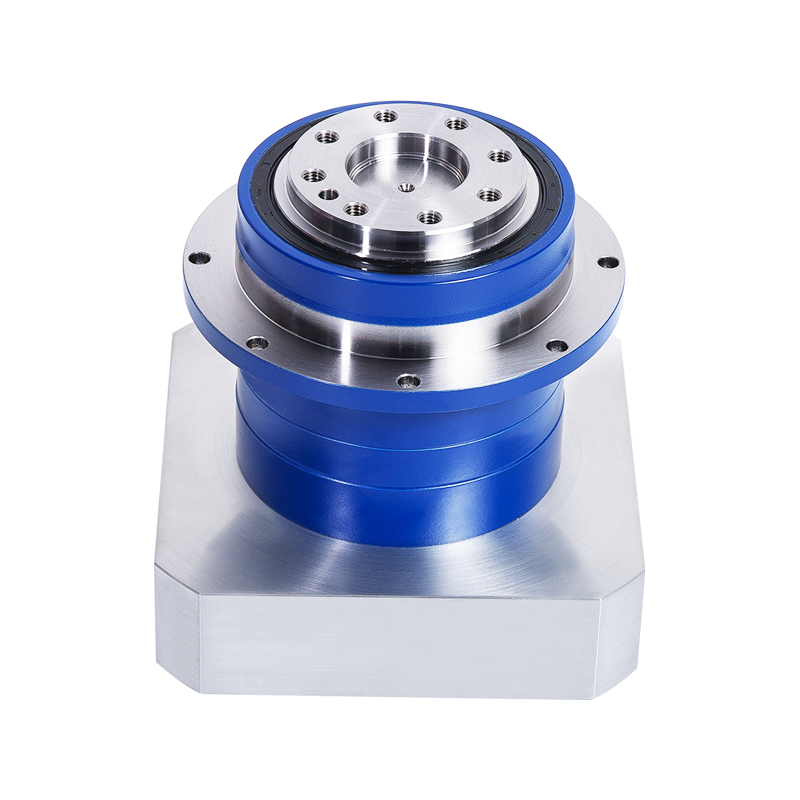
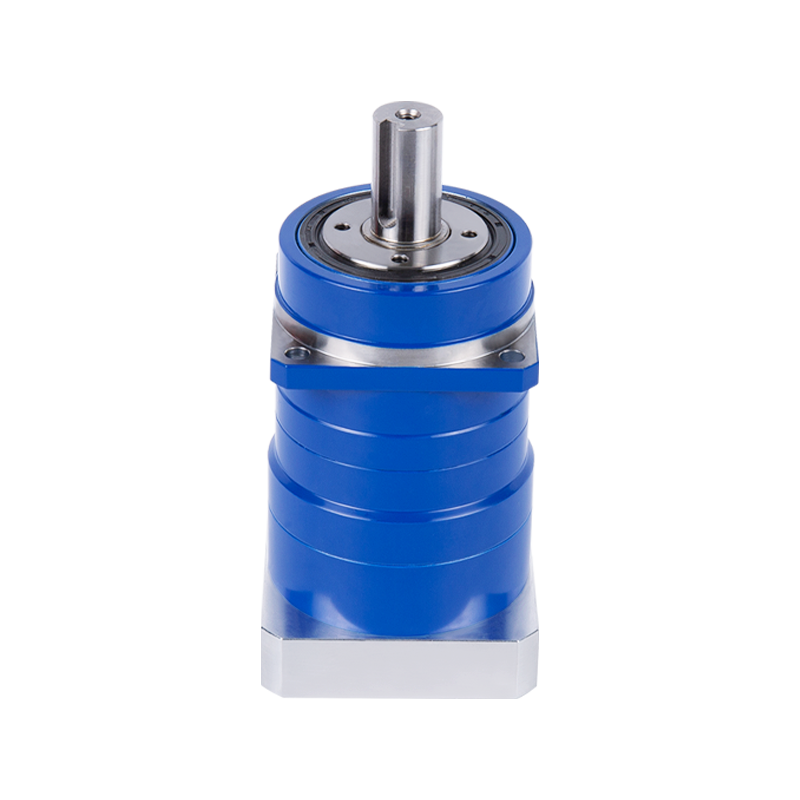
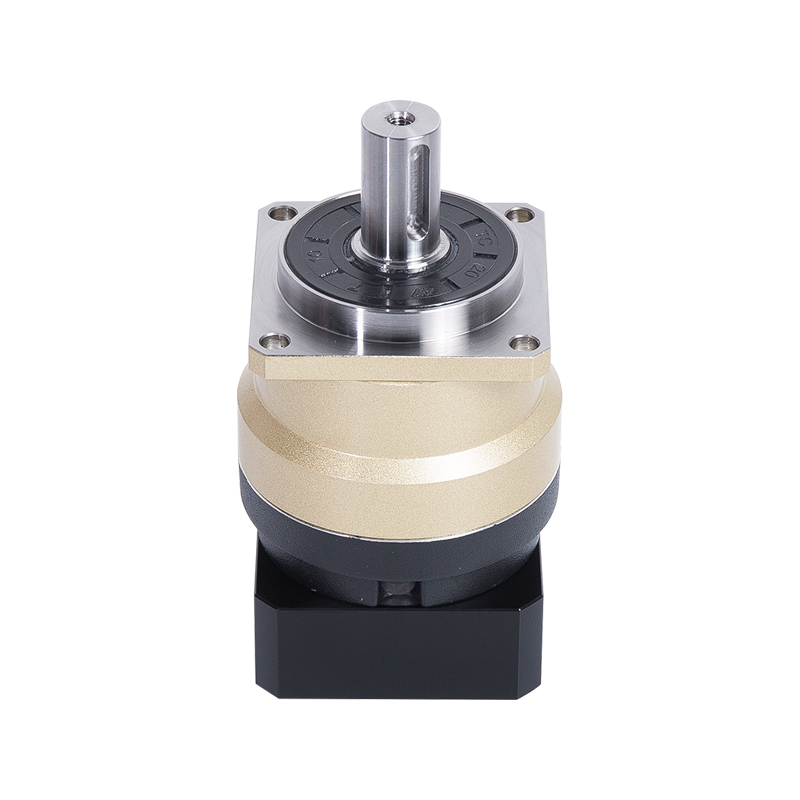
Como punto de referencia, la serie MKS reductor planetario de alta precisión cubre un rango de par de salida de 18 a 2400 Nm en seis tamaños de bastidor (060 / 075 / 090 / 100 / 140 / 180), lo que significa que una sola familia de productos puede servir para todo, desde una pequeña junta SCARA hasta una mesa giratoria pesada, siempre que se dimensione correctamente desde el principio.
Relación de transmisión: velocidad, par e inercia, todo a la vez
La relación de transmisión hace tres cosas simultáneamente: reduce la velocidad de salida, multiplica el par y (críticamente para los servosistemas) reduce la inercia de carga reflejada vista por el motor por el cuadrado de la relación. Un reductor de 5:1 hace que la carga parezca 25 veces más ligera para el motor. Es por eso que la relación no es sólo un número de coincidencia de velocidad; Determina directamente si su servo puede acelerar y estabilizarse dentro de las especificaciones.
Para aplicaciones de servo generales, mantenga la relación de inercia carga-motor por debajo de 10:1 después de tener en cuenta la caja de cambios. Para ejes de alta dinámica, busque menos de 5:1. monoetapa reductor planetario las unidades suelen abarcar de 3:1 a 10:1; las configuraciones de dos etapas lo llevan a 3:1–100:1 sin una pérdida significativa de eficiencia.
Contragolpe: el número que define la precisión
El juego es la rotación libre del eje de salida cuando la entrada se mantiene fija, expresada en minutos de arco. Limita directamente la repetibilidad del posicionamiento: un reductor con un juego de 10 minutos de arco no puede soportar un sistema que requiere una precisión de ±2 minutos de arco, sin importar cuán capaz sea el servo.
Guía de grados de juego para tipos de aplicaciones comunes | Grado de reacción | Rango típico | Aplicaciones adecuadas |
| Alta precisión (P1) | ≤ 3 arco-min | Robots, CNC, equipos semiconductores, dispositivos médicos. |
| Estándar (P2) | 3–8 minutos de arco | Embalaje, transportadores, automatización general. |
| Economía | 8–15 minutos de arco | Accionamientos sin posicionamiento, manipulación de materiales |
La serie MKS tiene una reacción violenta 3 minutos de arco , colocándolo firmemente en el nivel de precisión. Esa cifra se logra mediante rodamientos de rodillos cónicos y juegos de engranajes rectificados con precisión, no solo tolerancias más estrictas en el ensamblaje. Aquí es importante la selección del rodamiento: los rodillos cónicos soportan cargas radiales y axiales combinadas mucho mejor que los rodamientos de bolas, por lo que la capacidad de carga radial del MKS alcanza 30.000 norte y la capacidad axial alcanza 27.000 norte .
A reductor de engranajes planetarios El eje de salida rara vez ve torque puro. Las transmisiones por piñón, las tensiones de las correas y las cargas montadas en voladizo generan fuerzas radiales. Si esas fuerzas exceden la carga radial nominal del rodamiento, el rodamiento de salida falla mucho antes de que los engranajes muestren desgaste.
Calcule siempre las fuerzas radiales y axiales reales sobre el eje de salida (no solo el par) y compárelas con las capacidades de carga publicadas por el fabricante. Especificar un reductor basándose únicamente en el torque es una de las formas más confiables de causar una falla prematura en un rodamiento en el campo.
Cómo hacer coincidir la serie con su aplicación
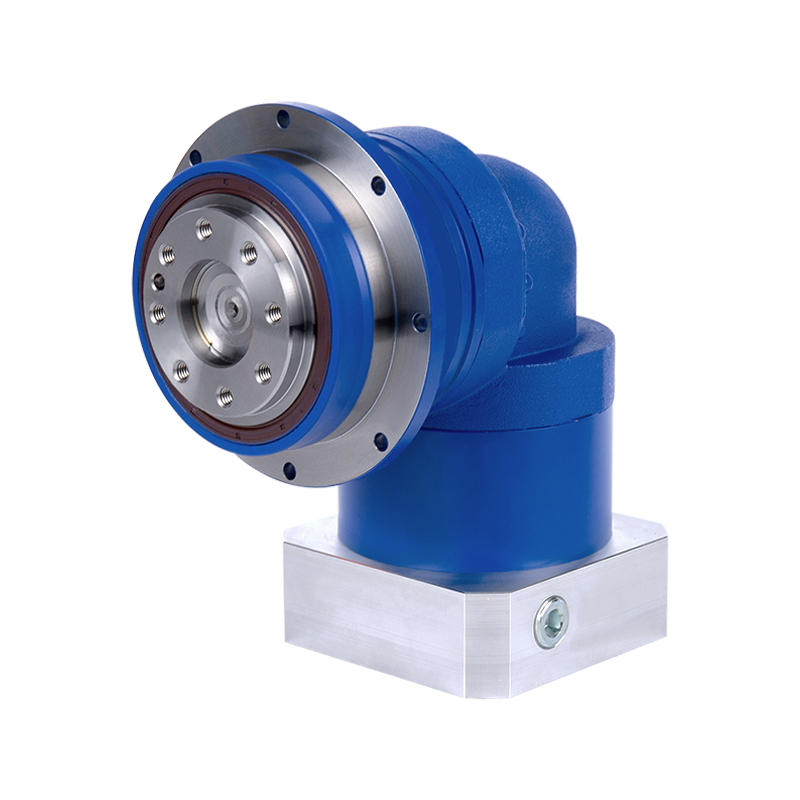
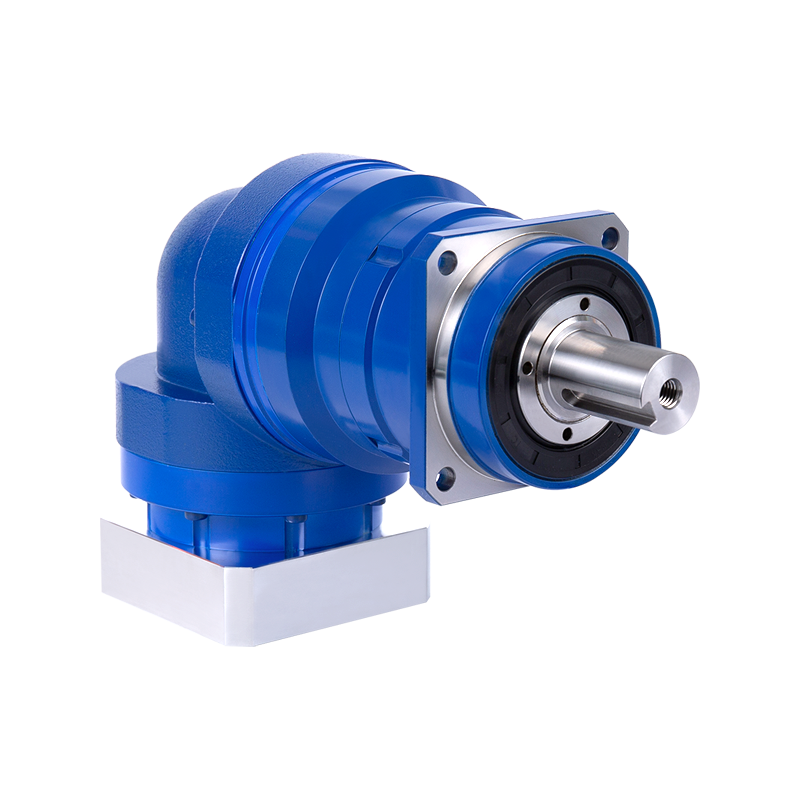
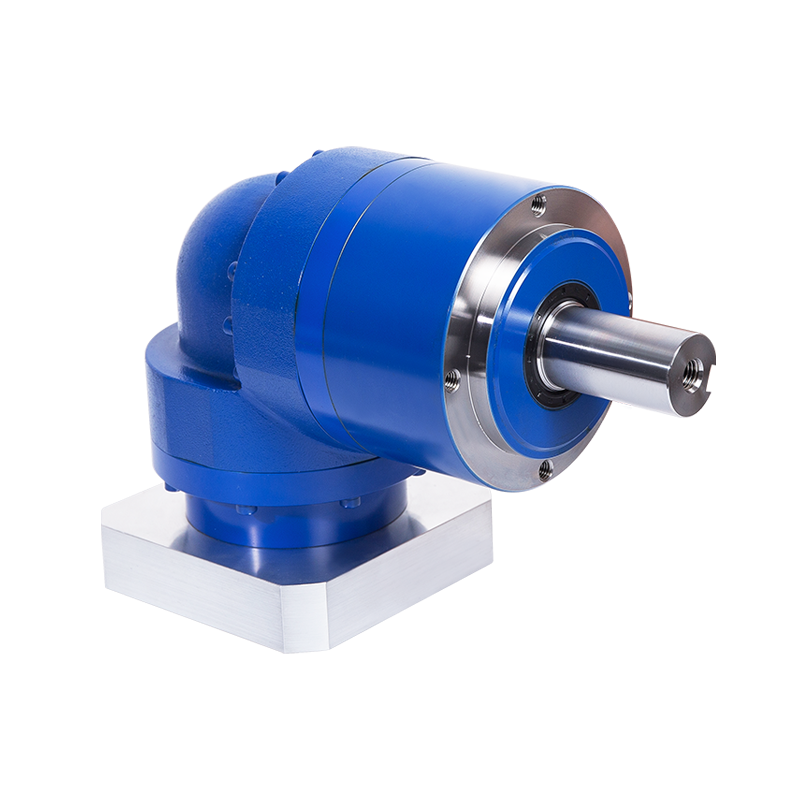
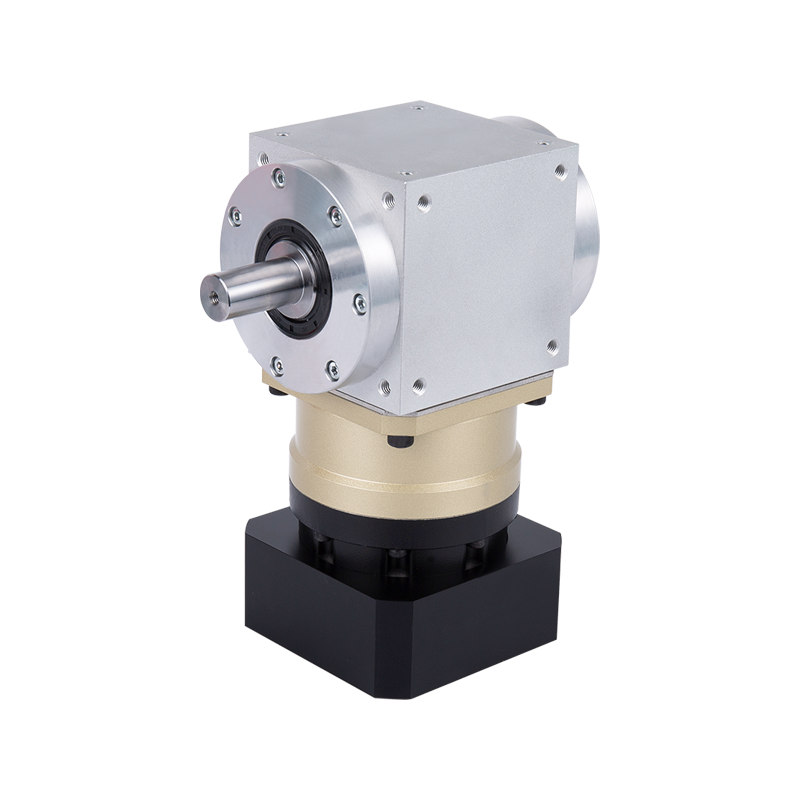
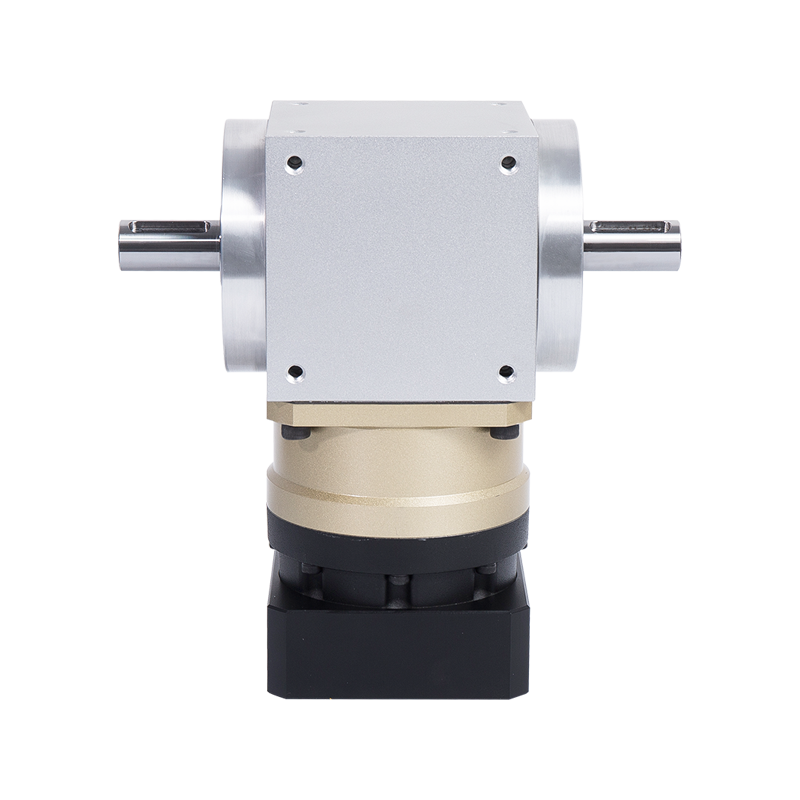
Diferentes familias de productos optimizan para diferentes restricciones. La serie MK (MKS, MKT, MKB, MKEL, MKET) está dirigida a aplicaciones de reductores planetarios de alta precisión (robótica, equipos de baterías de litio, corte por láser, fabricación de semiconductores) donde el juego, la rigidez y la ausencia de fugas de aceite no son negociables. La serie MP (MPB, MPEB) es una línea económica de engranajes helicoidales optimizada para un bajo nivel de ruido y costo cuando no se requiere una precisión de ≤3 arco-min. La serie MKAT/MPAT agrega etapas de engranajes cónicos en ángulo recto para diseños donde el montaje coaxial no es posible.
La secuencia de selección siempre debe seguir este orden: definir el par (con factor de servicio) → establecer la relación (con verificación de inercia) → confirmar el grado de juego → verificar la capacidad de carga radial/axial → elegir la interfaz de montaje. Saltarse cualquier paso, o hacerlo fuera de orden, es lo que provoca errores costosos.
Una comprobación más: clasificación térmica
un reductor mecanico clasificación de par y su térmica La clasificación de torque son números diferentes. Con una carga alta y continua, el calor se acumula más rápido de lo que la carcasa puede disipar. Funcionar más allá del límite térmico degrada el lubricante y acelera el desgaste de los engranajes incluso cuando los engranajes en sí no están sobrecargados mecánicamente. Para ciclos de trabajo superiores al 60 % continuo, verifique siempre el límite de par térmico del reductor y confirme que cubre su aplicación, no solo el pico mecánico.
La combinación de estas comprobaciones (par con factor de servicio, relación con coincidencia de inercia, grado de holgura, capacidad de carga del rodamiento y clasificación térmica) es lo que separa a un reductor que dura una década de uno que vuelve a tener garantía en tres meses.


 es
es English
 русский
 Deutsch
 日本語
日本語 简体中文
简体中文